
Financial Stability
Did you know?
More than one in 10 Torontonians now rely on food banks. And one in four food bank clients are children. (Daily Bread)
17.3% of workers earn less than the living wage in the GTA. (Canadian Centre for Policy Alternatives)
With Ontario Works and the Ontario Disability Support Program rates of $733/month and $1,308/month respectively, researchers draw a direct line between income security policy and homelessness. Homelessness among those who relied on Ontario Works for more than one year has surged by 136% since 2019. (Maytree)
Who cares about making ends meet?
We do.
No matter how we talk about it, poverty means not having enough money. For shelter and food and to get the help we need. When money is a barrier to essentials, it makes those without even more vulnerable and hurts us all.
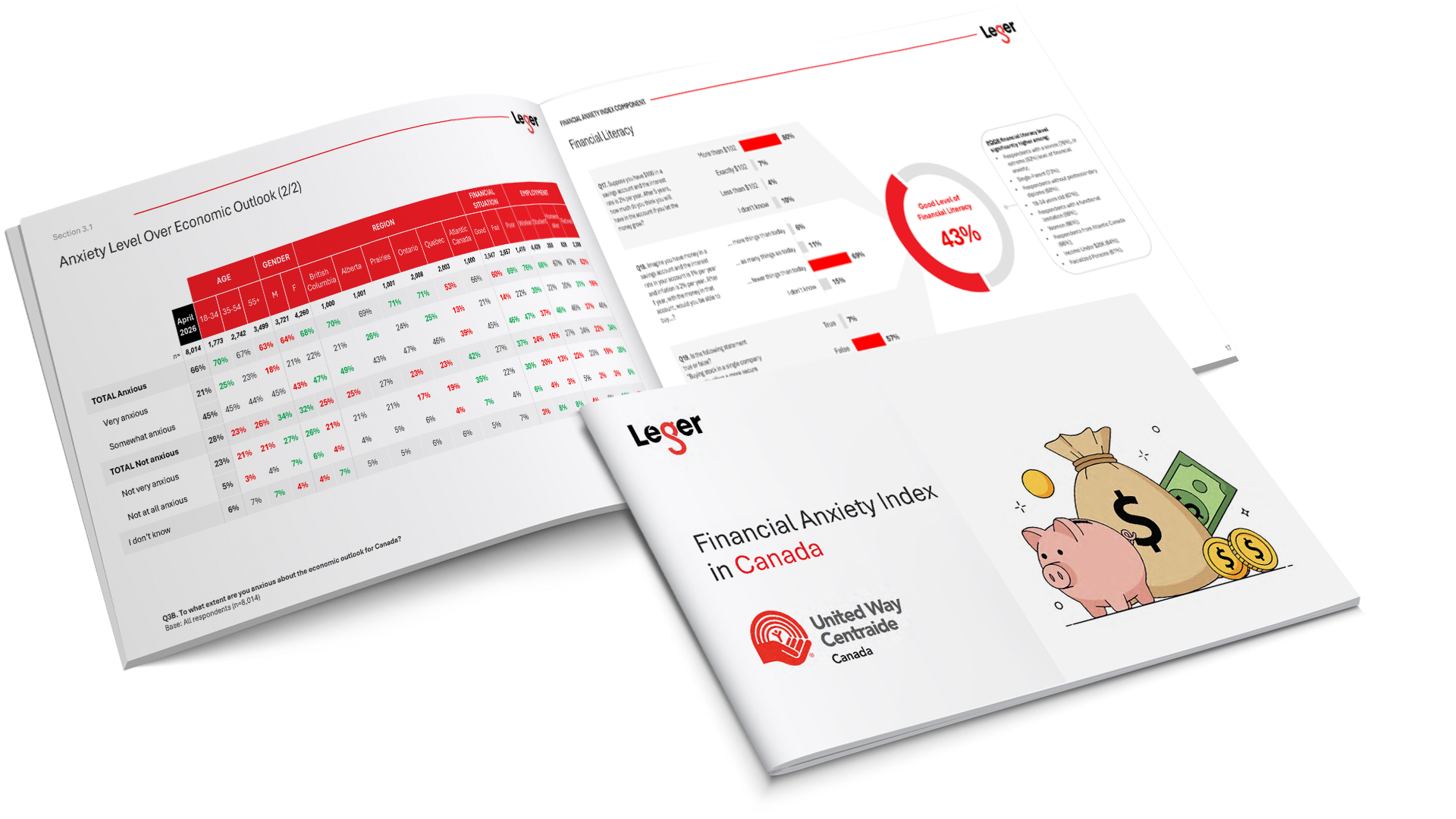
The Financial Anxiety Index, a survey conducted by national partner United Way Centraide Canada, reveals the growing toll financial stress is having on health and wellbeing. This year, findings indicated that strain is highest in Ontario with nine out of 10 respondents reporting anxiety — sleeplessness, family conflict and difficulty focusing at work. And 46% saying they'd only be able to cover basic expenses for less than a month if they lost their income. It's this kind of research that helps us better understand the causes, effects and patterns of poverty and grounds our initiatives and investments in evidence.
Thanks to the efforts of the Ontario Living Wage Network (OLWN), we know exactly how much people need to earn to make ends meet in the GTA today: $27.20/hour. That's what it takes to pay for necessities, including shelter, transportation, childcare, food and internet. The problem is, even working full-time, many aren't earning a living. At $17.60/hour, Ontario's minimum wage is nearly $10 less per hour. And social assistance rates aren't enough for rent, let alone anything else. Something has to give. United Way Greater Toronto is championing the message of OLWN and supporting advocacy across our network and beyond. And together with other United Ways, in a submission to the provincial government, we're calling for adequate wages, income supports and other progressive policies to reduce poverty.

"We are proud to be one of almost 600 certified Living Wage employers in this province, modeling the change we want to see and to fund the Ontario Living Wage Network's work calculating living wage rates and certifying and supporting more employers in making that commitment — one that rebuilds the basic promise of work, that a full-time job should provide stability and dignity." Heather McDonald, President & CEO, United Way Greater Toronto
The changing nature of work and the rising cost of living have deepened employment challenges for historically marginalized groups, including Indigenous, Black and other racialized communities. Multiple forces have converged, reshaping the labour market, contributing to hiring slowdowns and a decline in entry-level opportunities, with a real impact on young people, now facing an unemployment rate of more than 15%.
- At United Way, we fund 75+ inclusive employment programs that offer education, training and wraparound supports, focusing on in-demand skills that lead to good jobs.
- Our friends in Labour are central to these efforts. Together, we are building pathways to financial independence via careers in the skilled trades, in close collaboration with sector based workforce development partners and through programs such as the ILEO Construction Union program in Scarborough.
- Working with The Neighbourhood Group, 211 Find Help, the City of Toronto and others engaged in the Youth Employment Table and United Way's 2026 Summer Youth Employment Initiative, we are galvanizing a collective response to this moment. United Way agencies are moving beyond supporting job seekers to creating more than 2,000 opportunities for young people to gain meaningful work experience this summer. Proof that we can all play a role in connecting young people to those critical first jobs that shape a lifetime of opportunity, earnings and financial stability.
Reasons to Hope

5,954
residents received assistance with tax filing and access to tax credits, strengthening financial stability
18,214
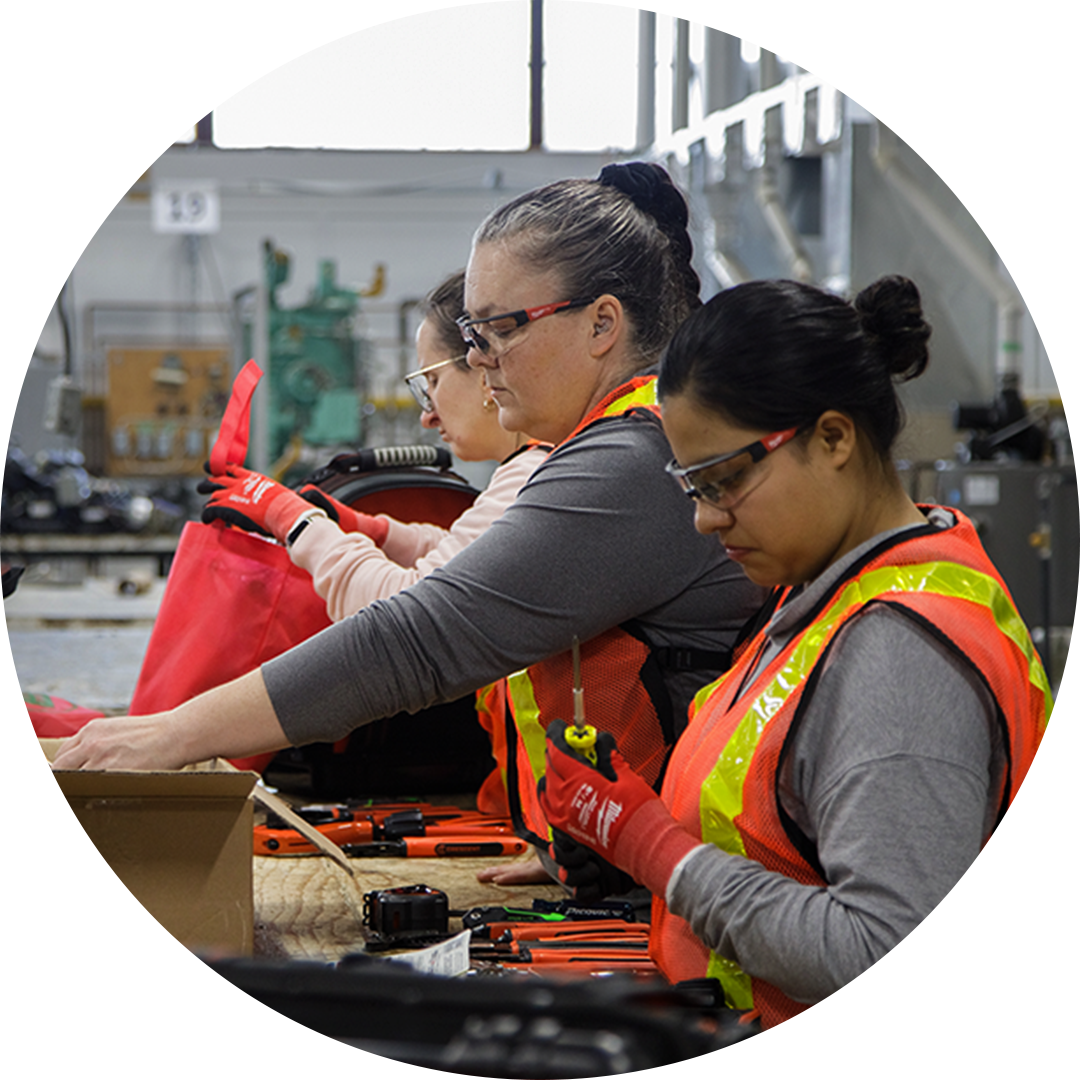
residents received skills-building and job-training supports to enhance economic opportunity and financial stability

222
residents have been hired through the Inclusive Local Economic Opportunity initiative, which has generated over $18 million in community wealth